


.png)
Relocating closer to family is a deeply human decision, one that blends practical logistics with emotional gravity. For people relocating to a new city or region to be nearer to parents, siblings, or extended relatives, the move often promises connection—but also raises questions about autonomy, boundaries, and identity. This transition works best when it’s treated not as a retreat, but as a deliberate redesign of how you live, work, and relate to the people who matter most.
Moving closer reshapes relationships in subtle ways. Casual visits replace long calls, and expectations can shift without anyone explicitly naming them. Some people feel a renewed sense of belonging, while others worry about slipping back into old roles. The key is recognizing that geography amplifies patterns—it doesn’t create them—so clarity and communication matter more than ever.
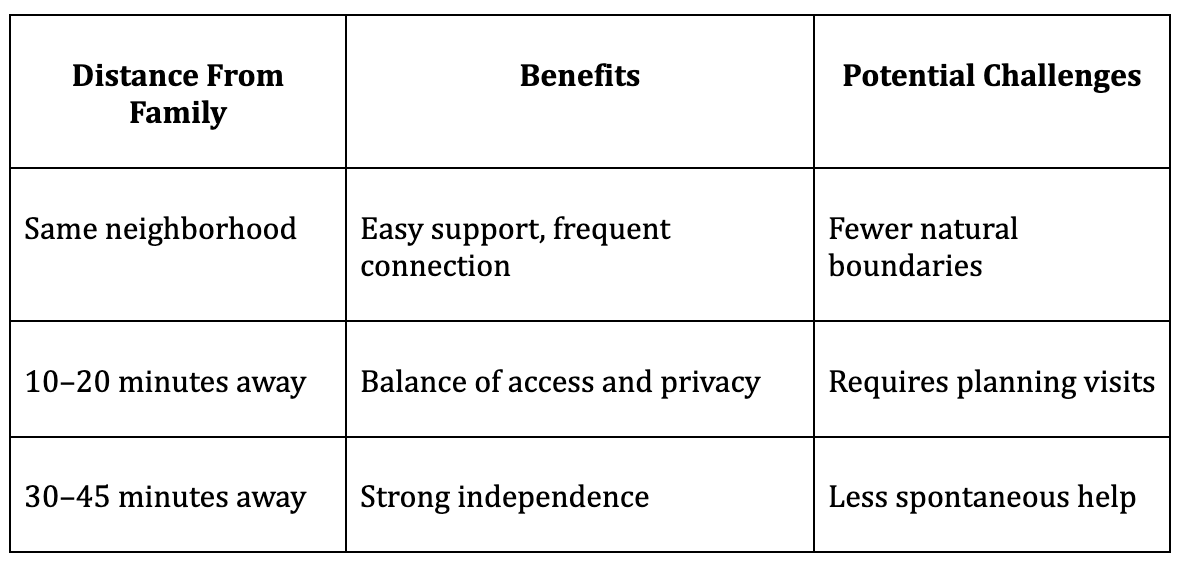
Before signing a lease or closing on a home, think beyond distance alone. A neighborhood should support your daily rhythm, not just weekend dinners. Access to transit, coworking spaces, gyms, or quiet cafés can make a huge difference in how independent you feel. It’s also worth considering how often you want spontaneous family visits versus planned ones; a 10-minute drive feels very different from living on the same block.
Clear boundaries are not walls; they’re agreements. They help everyone know what to expect and prevent resentment from building quietly. These steps can help you establish healthy patterns early on:
A smoother move starts by addressing not just the logistics, but the emotional expectations:
For some, this move becomes a catalyst to rethink work entirely. Building something of your own can provide structure, confidence, and financial stability during a period of change. Starting your own business creates flexibility that aligns well with being closer to family while still maintaining professional identity. It can give your days purpose that isn’t defined by family roles, while also opening new income paths. A thoughtful business plan helps anchor this effort by outlining what you offer, how you’ll sell it, how the business is organized, and what funding and financial projections look like.
Sometimes it helps to visualize how different living distances affect daily life.
Before making this move, people often want clarity.
Should I move before or after setting new boundaries?
It’s usually easier to discuss expectations before the move, when emotions are calmer. That said, boundaries can evolve once real-life patterns emerge. Treat the first few months as a trial period for adjustment.
How do I avoid feeling like I’m regressing?
Focus on building routines that reflect who you are now, not who you were before you left. Your work, friendships, and hobbies play a big role in this. Proximity doesn’t have to mean dependence.
What if family expectations feel overwhelming?
This is a signal to pause and communicate, not to push through silently. Clear, kind conversations early can prevent long-term strain. It’s okay to renegotiate as needed.
Can this move help my career instead of hurting it?
Yes, especially if you plan intentionally. Reduced stress, shared responsibilities, or new work flexibility can create space for growth. The key is aligning your location with your professional goals.
How long does it take to feel settled after moving closer?
Most people report a few months of emotional adjustment. New routines take time to normalize, even when the move is positive. Patience with yourself helps.
Is it okay if this move isn’t permanent?
Absolutely. Relocating closer to family doesn’t have to be a lifelong commitment. Viewing it as a chapter rather than a final decision can reduce pressure.
Moving closer to family is less about shrinking your world and more about reshaping it. With thoughtful location choices, clear boundaries, and a plan for your work and personal life, closeness can coexist with independence. When approached intentionally, this transition can strengthen relationships while supporting growth in unexpected ways.
